Timing the Turnarounds: How Mid-Season Roster Changes Reshape Value in Multi-Sport Accumulator Lines Across Basketball and Racing Markets
Erik Hayes · Oct 2, 2026
Timing the Turnarounds: How Mid-Season Roster Changes Reshape Value in Multi-Sport Accumulator Lines Across Basketball and Racing Markets
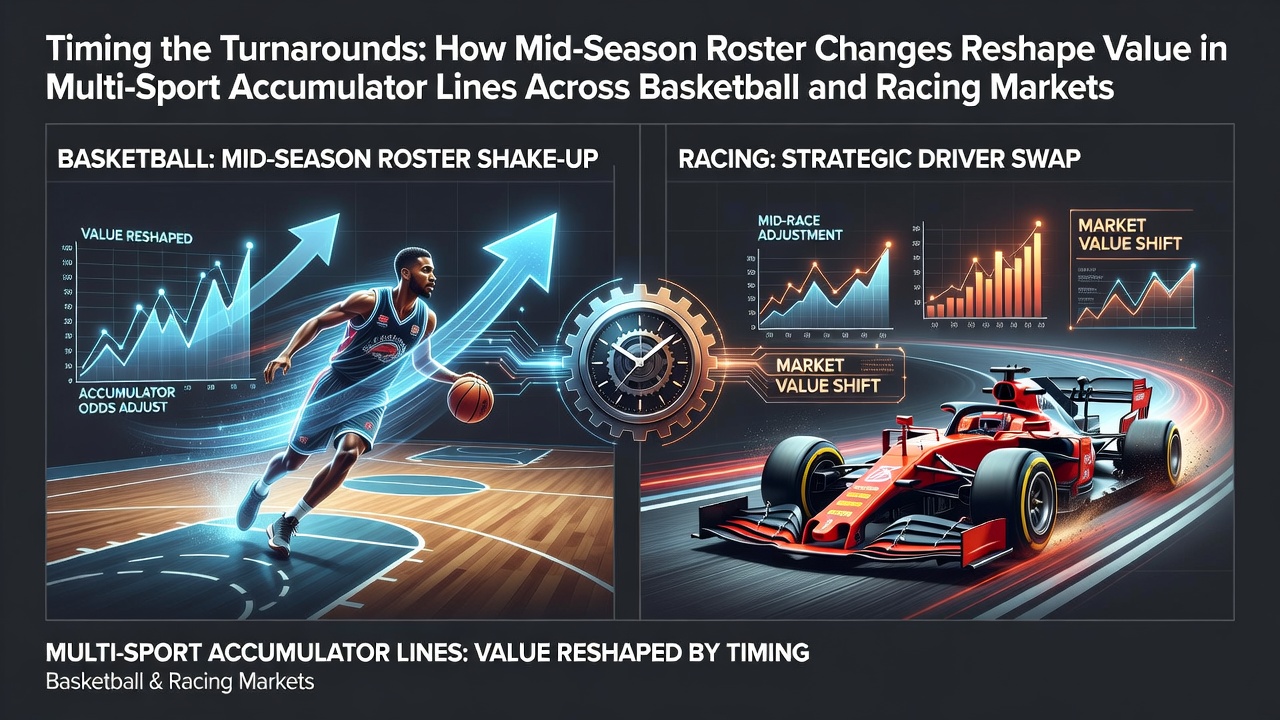
Market analysts track mid-season roster movements in professional basketball as primary drivers that shift value across combined accumulator products involving both court-based lines and thoroughbred racing outcomes. Data compiled during the 2025-2026 campaign shows that trade deadlines and injury recoveries alter team rotations within days, which in turn recalibrates projected point totals, player efficiency ratings, and correlated spreads that bettors combine with racing win probabilities.
Roster Adjustments in Basketball Leagues
Teams complete trades and activate players returning from injury lists at multiple points throughout the regular season, with October 2026 marking the early window when several Eastern Conference clubs integrated new frontcourt additions ahead of the first quarter mark. Observers note that these personnel shifts modify offensive and defensive schemes immediately, producing measurable changes in average points scored per game and rebound margins that feed directly into accumulator calculations. Figures from the American Gaming Association indicate that betting volume on NBA player props rises sharply in the 48 hours following official roster announcements, as oddsmakers recalibrate totals before full market consensus forms.
Propagation Into Multi-Sport Accumulator Structures
Accumulator builders frequently pair basketball team totals or individual performance lines with selections from horse racing cards scheduled on the same day or weekend. When a basketball roster change elevates a team's projected output, the correlated value in a multi-leg ticket often extends to racing markets where speed figures and pace projections remain independent yet sit within the same parlay framework. Research from university-led sports analytics programs demonstrates that late adjustments in basketball minutes distributions create temporary pricing inefficiencies that carry over when operators price combined products, because racing odds update on separate data streams tied to track conditions and field composition.
Timing Windows and Market Response Patterns
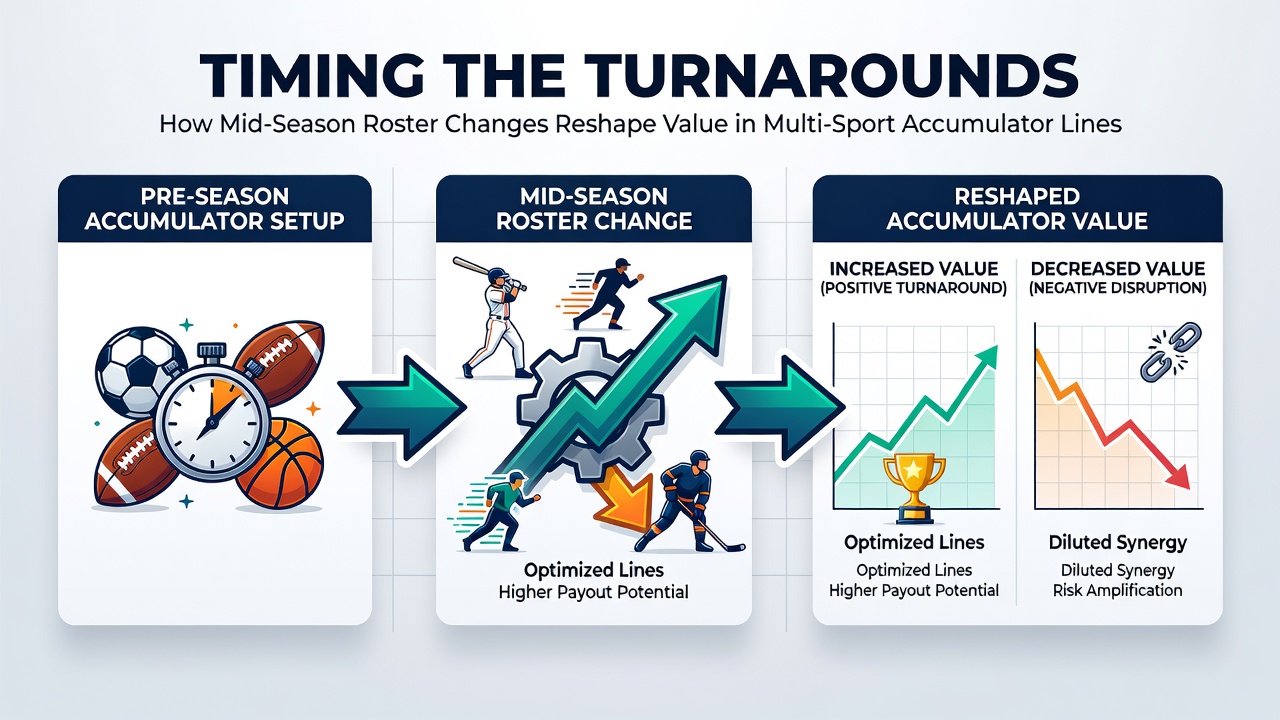
Bet placement timing matters because operators release updated basketball lines within hours of roster confirmations, whereas racing markets for upcoming meetings adjust on different schedules governed by declarations and jockey bookings. Those who monitor real-time injury reports and trade wires gain access to windows where basketball-derived edges remain live before the same information influences broader accumulator pricing. Records kept by state regulatory bodies in Nevada reveal that handle on cross-sport tickets spikes during these intervals, particularly when a high-profile guard or forward enters the starting lineup and immediately alters projected game scripts that link to same-day racing selections.
Concrete Examples From Recent Seasons
One documented sequence unfolded when a Western Conference franchise acquired a veteran center in early February 2026, prompting an immediate lift in projected rebounds and second-chance points; operators subsequently widened the team total line while several racing books left overnight win odds unchanged for that evening's feature races. Bettors who constructed accumulators pairing the adjusted basketball total with selected each-way horses captured value before the full correction propagated across both markets. Similar patterns emerged after mid-season returns from injury lists, where restored players shifted usage rates enough to move point-spread expectations without immediate corresponding movement in unrelated racing lines included in the same ticket.
Data Sources and Industry Tracking
Statistical agencies compile daily logs of roster transactions alongside betting market movements, allowing quantitative review of how quickly odds incorporate personnel data. A report issued by the American Gaming Association outlines seasonal spikes in multi-leg ticket construction that align with basketball trade deadlines. Parallel datasets maintained by racing authorities in Australia track how independent speed and class ratings evolve separately from court-based metrics, confirming the separation that creates temporary misalignments in accumulator pricing.
Conclusion
Market participants continue to examine the intervals between basketball roster announcements and subsequent line adjustments as recurring opportunities within combined accumulator products. The separation between basketball performance data streams and racing probability models maintains distinct update cycles that reward precise timing when those cycles overlap in multi-sport tickets. Ongoing collection of transaction records and odds histories supplies the factual basis for identifying these patterns across successive seasons.